

Waking up with bloodshot eyes isn’t just uncomfortable.
It can throw off your whole day. Maybe your contacts were in for too long, or Dubai’s dry air caused them to dry out. You’re not alone, and there’s a solution.
At Adasat, we understand how red eyes from contact lens overwear can affect work, confidence, and comfort.
Our expert-backed tips, paired with the right products, help you clear redness quickly and safely. Keep reading to learn how to get rid of red eyes fast and feel like yourself again.
Why Contact Lens Overwear Causes Red and Irritated Eyes?
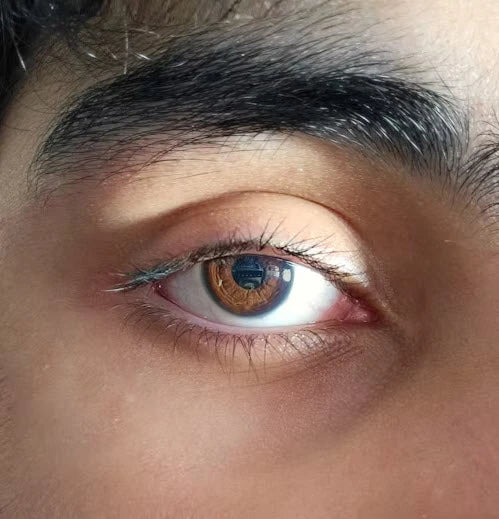
Red eyes occur when the tiny blood vessels on the surface of the eye become dilated due to irritation, dryness, or lack of oxygen.
Contact lenses, especially when worn longer than recommended, can restrict oxygen flow to the cornea. This is called corneal hypoxia and is one of the leading causes of contact lens-related redness.
Dubai’s climate can make this worse. Dust, dry air, and extended exposure to air conditioning increase the risk of dryness and irritation, even when using high-quality lenses.
Fast Relief Tips for Red Eyes from Contacts or Dry Air
Red eyes from contact lens overwear often demand fast relief. These proven methods can reduce redness quickly if you are wondering how to get rid of red veins in your eyes.
1. Lubricating Eye Drops
Use contact lenses and safe artificial tears, and prefer preservative-free options. They soothe irritation and flush out debris without harming your lenses.
For example, try lubricating eye drops to restore comfort and quick-start healing. If you were wondering how to get rid of red eyes from crying, this might help.
2. Cold Compress
Using a clean, cold compress can provide quick relief for bloodshot eyes. It can also help if you are wondering how to get rid of red, puffy eyes. The cold temperature helps constrict the tiny blood vessels on the surface of your eye, which reduces redness and inflammation.
For best results, apply the compress gently over closed eyelids for 5 to 10 minutes while lying down in a comfortable position. Cool gel masks or chilled eye pads work particularly well because they retain cold for longer periods and mold to the shape of your face.
3. Remove Your Contacts
If you're wearing contact lenses and notice sudden redness or irritation, remove them immediately. Contacts can trap allergens, bacteria, or debris, which may worsen inflammation or lead to infection.
Giving your eyes a break allows them to breathe and recover naturally. Switch to glasses for the rest of the day and avoid reusing the same lenses until you’ve cleaned them thoroughly or replaced them, depending on the type.
4. Limit Screen Time and Light Exposure
Prolonged screen use can significantly strain your eyes, leading to increased redness, dryness, and discomfort. If you wake up with bloodshot eyes, give your eyes a break by minimizing screen time throughout the day, especially in the morning when your eyes are most sensitive.
Try following the 20-20-20 rule: every 20 minutes, look at something 20 feet away for at least 20 seconds. Avoid harsh overhead lighting or direct sunlight by dimming your environment slightly or using warm-toned light sources.
Wearing blue light–filtering glasses can also reduce digital eye strain and help prevent further irritation. It will help if you keep thinking about how to get rid of red bags under your eyes.
5. Hydrate and Add Humidity
Dehydration is a common but often overlooked cause of red, irritated eyes. Make sure you’re drinking enough water throughout the day, especially in dry, hot climates like Dubai’s, where air conditioning can further deplete moisture in the air.
Aim for at least eight glasses (around 2 liters) of water daily to keep your eyes and body hydrated.
The Critical Link Between Sleep and Red Eyes
While hydration, hygiene, and lens care are well-known factors in maintaining ocular health, one often overlooked but crucial aspect is sleep quality. Poor sleep doesn’t just leave you feeling tired. It can also leave your eyes visibly red and irritated.
During sleep, your eyes rest, rehydrate, and repair from daily strain. Insufficient or disrupted sleep reduces this recovery period, increasing the likelihood of ocular surface inflammation, reduced tear production, and vasodilation, which causes blood vessels in the eyes to enlarge and become visible.
In fact, studies show that sleep deprivation directly impairs tear film stability and increases eye fatigue, particularly in contact lens users who already have reduced corneal oxygenation during the day.
How to Tell If Your Eye Redness Is Caused by Poor Sleep?
Red eyes aren’t always caused by allergies, screen time, or environmental factors. Sometimes, the issue is simply poor sleep. Here are some signs that your eye redness might be linked to inadequate rest:
Redness without any obvious external cause
If your eyes appear bloodshot despite no exposure to allergens, dust, or irritants, the root cause could be sleep deprivation. Lack of rest reduces the eye’s ability to clear out irritants naturally, resulting in persistent redness.
Mild stinging or dryness upon waking
Waking up with a slight burning sensation or dryness in the eyes can be a sign that your eyelids aren’t fully lubricating your eyes during sleep. This is more common in people who sleep late or don’t get enough restorative sleep.
Dark under-eye circles and red eyes together
When red eyes are accompanied by noticeable dark circles, especially in the morning, it often points to insufficient or poor-quality sleep. Both are classic signs of fatigue and can worsen with repeated nights of inadequate rest.
Blurry vision that improves after blinking
Experiencing intermittent blurriness that clears after a few blinks might indicate dryness due to overnight tear film instability—a common effect of poor sleep hygiene or sleeping in overly dry environments like air-conditioned rooms.
Tips to Improve Sleep for Healthier Eyes
Improving your sleep habits doesn’t just help your body and mind recover—it plays a crucial role in maintaining healthy, well-lubricated eyes. Here are some practical ways to enhance your sleep for better ocular health:
Get 7–9 hours of uninterrupted sleep each night
Your eyes, like the rest of your body, need several hours of rest to recover from daily strain. A full night’s sleep helps replenish tear production, reduces inflammation, and allows the eyes to repair any minor irritations or dryness.
Create a screen-free bedtime routine
Reducing screen exposure at least 30 minutes before going to bed helps regulate melatonin levels, which improves sleep quality. Less screen time also gives your eyes a break from blue light, reducing the risk of bedtime dryness or delayed tear film recovery.
Use a humidifier while you sleep
Especially in Dubai’s dry, air-conditioned indoor environments, a humidifier can maintain optimal air moisture. This prevents your eyes from drying out overnight and supports the natural tear layer, which is crucial for reducing redness and irritation.
Wear an eye mask to block out light
Sleeping in complete darkness promotes deeper, more restorative rest. An eye mask can help by preventing ambient light from disrupting your sleep cycle. It also supports better oxygen flow and hydration for your cornea, especially helpful for contact lens wearers.
Top Adasat Products That Help Soothe Red and Irritated Eyes
Adasat provides a curated selection of eye care products that support eye health, particularly for contact lens wearers:
Lubricating Eye Drops
These drops are safe for use with lenses. Preservative-free formulas are ideal for sensitive eyes and daily use.
Silicone Hydrogel Contact Lenses
These lenses allow more oxygen to reach the eye, reducing the chances of redness from a lack of oxygen.
Contact Lens Cleaning Solutions
Keeping your lenses clean can help prevent irritation caused by protein or bacterial buildup.
These products support comfort and clarity, but remember, consistent hygiene and proper lens wear practices matter just as much as the product itself.
How To Avoid Getting Red Eyes Again?
To maintain healthy eyes and prevent redness or irritation, it’s crucial to follow proper contact lens hygiene and care.
Always adhere to a strict lens schedule; daily lenses should be discarded after a single use, while monthly lenses must be worn and replaced exactly as prescribed. In addition, make sure you take off the lenses properly.
Cleanliness is key, so wash your hands thoroughly before handling lenses, and always rinse them with fresh solution before each use. Never "top off" an old solution or use tap water, as this can introduce harmful bacteria.
Choosing high-quality lenses, such as silicone hydrogel options, can also make a difference because they allow up to six times more oxygen to reach the eye compared to traditional hydrogel lenses, helping to reduce the risk of hypoxia and discomfort.
Lastly, don’t skip your annual eye exams. Regular checkups ensure your prescription is up to date and help catch potential issues early on.
When to See an Eye Doctor for Eye Redness or Pain?
It’s important to recognize when red or irritated eyes may signal a more serious issue. Seek prompt attention from an eye care specialist if you experience severe eye pain, unusual or persistent discomfort, or any noticeable changes in your vision, such as blurriness or distortion.
Sensitivity to light (photophobia), thick yellow or green discharge, or redness that lingers for more than 24 hours after removing your contact lenses could indicate an infection or other underlying condition that requires medical evaluation. Early intervention can help prevent complications and ensure your eyes heal properly.
These symptoms may indicate infection or corneal damage. Adasat can refer you to certified ophthalmologists in Dubai.
Conclusion
Red eyes from contact lens overwear are manageable with the right care. Simple steps like using proper drops, following a strict lens schedule, and choosing the right lens material can make a big difference.
Explore Adasat’s contact lens collection, eye drops, and lens care products to support your eye health and stay comfortable throughout the day. If redness persists, consult a specialist promptly to avoid complications. If you need more information, call them at 04 557 4379 or email info@adasat.com.
Frequently Asked Questions
1. Can allergies cause red eyes even without wearing lenses?
Yes, airborne allergens like pollen, dust, and pet dander can trigger red eyes, even if you're not wearing contact lenses. Allergic conjunctivitis can cause itching, swelling, and tearing. Antihistamine eye drops may help relieve these symptoms.
2. Is sleeping with contact lenses ever safe?
In most cases, no. Sleeping with lenses increases the risk of serious eye infections, including microbial keratitis. Some lenses are FDA-approved for overnight use, but even these carry risks and should be worn only under an eye doctor’s guidance.
3. Can nutrition affect eye redness and health?
Yes. A diet rich in omega-3 fatty acids (found in fish, flaxseed, and walnuts) supports tear production and reduces inflammation. Vitamins A, C, and E also promote ocular surface health and can help prevent chronic eye irritation.
4. Does eye makeup contribute to red eyes?
It can. Using expired makeup, applying eyeliner on the waterline, or not removing products thoroughly can introduce irritants or bacteria into the eye, leading to redness or infection. Always use hypoallergenic products and replace them regularly.
5. Can screen filters or apps help reduce eye redness?
Yes. Blue light filter apps or screen protectors reduce exposure to high-energy visible light, which may help reduce digital eye strain and dryness, two common contributors to eye redness in frequent screen users.